What is Breast Reconstruction?

Breast reconstruction is a surgical procedure that restores the breast mound after a mastectomy or lumpectomy. It recreates the natural shape and appearance of the breast using implants, your own tissue from another part of your body, or a combination of both. This can be performed at the same time as the mastectomy or delayed until a later date. The process may involve multiple surgeries spaced over time. 

Breast reconstruction can help rebuild your confidence and sense of wholeness after the physical and emotional impacts of breast cancer treatment. Whether you opt for breast reconstruction or not, every woman deserves to feel comfortable and confident in her body after overcoming breast cancer.
coremuscle3

Do I Need Breast Reconstruction?

Breast reconstruction is a highly personal decision, and one that every woman has the freedom to choose for herself. While reconstruction can help restore your natural form and a renewed sense of confidence after breast cancer treatment, it is by no means a requirement for recovery. Most patients consider breast reconstruction a natural portion of their breast journey. 

At The Institute of Ohio, our compassionate team understands reconstruction may not be the right path for every patient. We respect your preferences and will support you wholeheartedly, whether you decide to pursue reconstruction or embrace your body as it is.

The Different Types of Breast Reconstruction

When considering breast reconstruction, it is essential to understand there are various options available, each with its own benefits and considerations. Patients are encouraged to have an open discussion with their doctor to explore all available options and tailor a reconstruction plan that best suits their individual needs and preferences.

Implant-Based Reconstruction

Tissue Expander
Direct-to-Implant
Autologous
Pedicled Flaps
Free TRAM Flap
DIEP Flap

In this approach, a tissue expander is placed beneath the chest muscle during the initial surgery after mastectomy. Over time, the expander is gradually filled with saline solution through a port, stretching the skin and muscle to create a pocket for the permanent implant. Once the desired size is reached, the tissue expander is replaced with a silicone or saline implant in a separate procedure. This method offers a staged approach to reconstruction, allowing for adjustment of implant size and symmetry. While it typically involves multiple surgeries, it may have a shorter recovery time compared to autologous tissue reconstruction.

With direct-to-implant reconstruction, a silicone or saline implant is placed immediately after mastectomy in a single surgery, eliminating the need for tissue expansion. This method can provide immediate breast volume and shape, potentially reducing the overall number of surgeries and shortening the recovery period. While suitable for some patients, it may not be appropriate for those with insufficient skin or tissue quality. Direct-to-implant reconstruction offers the advantage of a quicker initial recovery but may require additional touch-up procedures for optimal aesthetic outcomes.    

Autologous or "flap" reconstruction rebuilds the breast using your own skin, fat, and muscle relocated from another area of the body. There are a few different methods to achieve optimal reconstruction:

Pedicled flaps like the latissimus dorsi (back) flap or TRAM (abdomen) flap use tissue from one area of your body to reconstruct the breast. The tissue remains attached to its blood supply, typically from the abdomen or back, and is rotated into place to create the breast mound. This option offers a shorter surgery time and less risk of total flap loss, with a quicker recovery compared to other flap techniques. While it can provide natural-looking results, it may result in some loss of muscle function in the area from which tissue is taken.

This procedure involves taking tissue, including skin, fat, and muscle, from your abdomen to reconstruct the breast. Unlike the pedicled flap, the tissue is completely detached from its blood supply and reattached to blood vessels in the chest using microsurgery. The benefit of this method is using your body's own tissue for reconstruction, which can result in a more natural feel and appearance. However, it involves a longer surgery and recovery time compared to pedicled flaps, and there may be a risk of abdominal weakness or hernia.

The Deep Inferior Epigastric Perforator (DIEP) flap procedure is similar to the Free TRAM flap but spares the abdominal muscle. Only skin, fat, and blood vessels are taken from the abdomen to reconstruct the breast, leaving the muscle intact. This can lead to a quicker recovery and lower risk of abdominal weakness or hernia compared to the Free TRAM flap. Additionally, because no muscle is used, there's less chance of abdominal muscle weakness or loss of function.

Surgical Treatment Options for Breast Reconstruction

Oncoplastic
Fat Grafting
Nipple-Areola Reconstruction
Breast Revision Surgery

Oncoplastic reconstruction is performed at the same time as a lumpectomy. It involves reshaping the remaining breast tissue to restore contour, symmetry, and overall appearance of the breast. It may include techniques such as rearrangement of breast tissue, reduction or augmentation procedures, and skin reshaping to achieve the desired aesthetic result.

Fat grafting extracts fat cells from one area, like the abdomen or thighs, through liposuction and injects it into the reconstructed breast area to enhance shape, add volume, and improve contour. It is commonly combined with other techniques to create refined, smooth results.

This procedure is typically performed after breast reconstruction to recreate the nipple and areola. Using your own tissue or a skin graft, a surgeon carefully shapes the nipple and adds pigmentation to mimic the natural color. Nipple-areola reconstruction can help restore symmetry and a natural appearance to the breast, enhancing the overall result of breast reconstruction. While it is a relatively minor procedure with minimal downtime, it is important to discuss expectations with your surgeon, as individual results may vary.

Breast revision surgery may be necessary to address issues such as implant rupture, capsular contracture, or changes in breast shape or size over time. Depending on the specific concern, the procedure may involve replacing implants, adjusting the position of implants, or removing scar tissue. Breast revision surgery aims to improve the aesthetic outcome and address any functional concerns, restoring confidence and comfort in your breast appearance. Your surgeon will discuss the best approach for your unique situation, ensuring a personalized treatment plan tailored to your needs.

Find Out If You’re Eligible For Breast Reconstruction

See How Our Team is Changing Lives,
One Patient at a Time

These real patient stories highlight the life-changing impact of breast reconstruction, restored independence, renewed confidence, and meaningful improvements in quality of life.

Benefits of Breast Reconstruction

Sports Hernia (T2) - icons_icon-hiking-shoe
Restore your sense of wholeness after mastectomy
Sports Hernia (T2) - icons_icon-stop-watch-time
Feel more like yourself again—physically and emotionally
Sports Hernia (T2) - icons_icon-lightning
Rebuild natural shape and symmetry for a more balanced appearance
Sports Hernia (T2) - icons_icon-dumbbell
Improve comfort in clothing and daily activities
column-icon-1
Support long-term confidence and self-image
column-icon-1
Personalized options tailored to your body, goals, and recovery journey

Am I a Candidate for Surgery?

You may be a candidate for breast reconstruction if:

  • You are planning a mastectomy or have already had one
  • You are in good overall health and able to undergo surgery
  • You want to restore the shape and appearance of your breasts
  • You are experiencing changes that affect your comfort, confidence, or daily life
  • You are exploring options after implant complications or previous reconstruction
  • You are ready to discuss your goals with a specialized reconstructive surgeon

A comprehensive evaluation with one of our surgeons helps determine the best path forward for individuals considering breast reconstruction.

ARSA - IoO -Breast Reconstruction - Am I a candidate copy

What to Expect

Before the Procedure
Before the procedure, patients will have a thorough consultation with their surgical team to discuss their goals, medical history, and the various reconstruction options available. This is a crucial time for patients to ask questions, express concerns, and work closely with their healthcare providers to develop a personalized treatment plan. Patients may also undergo pre-operative tests and evaluations to ensure they are healthy and prepared for surgery. Additionally, they will receive instructions on how to prepare for the procedure, including any necessary lifestyle changes or medication adjustments.
During Surgery

During the procedure, patients will be under anesthesia to ensure comfort throughout the surgical process. Depending on the chosen reconstruction method, the surgery may involve tissue transfer from another part of the body, the use of implants, or a combination of both. Skilled surgeons will work meticulously to create a natural-looking breast mound while prioritizing the preservation of sensation and function whenever possible. Throughout the procedure, patients' vital signs will be closely monitored, and any necessary adjustments will be made to ensure their safety and well-being.

After Surgery

After the procedure, patients will typically spend some time in the recovery area before being discharged home or to a hospital room for further monitoring. Pain management techniques will be provided to help alleviate any discomfort, and patients will receive detailed post-operative instructions on wound care, activity restrictions, and follow-up appointments. It is essential for patients to have a support system in place to assist with daily tasks during the initial recovery period. Over time, as swelling subsides and incisions heal, patients will gradually see the results of their reconstruction take shape, with ongoing support from their healthcare team to address any concerns or questions that may arise.

Recovery

The recovery process for breast reconstruction varies depending on the type of procedure and individual healing abilities. Initially, patients may experience some discomfort, swelling, and bruising, which can be managed with prescribed pain medication and by following post-operative care instructions provided by their surgical team. It is common for patients to need assistance with daily activities, such as dressing, bathing, and household chores, during the first few days or weeks following surgery.

The recovery process for breast reconstruction varies depending on the type of procedure and individual healing abilities. Initially, patients may experience some discomfort, swelling, and bruising, which can be managed with prescribed pain medication and by following post-operative care instructions provided by their surgical team. It is common for patients to need assistance with daily activities, such as dressing, bathing, and household chores, during the first few days or weeks following surgery.

Follow-Up Care

After breast reconstruction surgery, patients typically require regular follow-up care to monitor their healing progress and ensure optimal outcomes. Follow-up appointments with the surgical team are scheduled at specific intervals, which may vary depending on the type of reconstruction performed and individual recovery needs. During these appointments, the surgeon will assess the healing of surgical incisions, monitor for any signs of infection or complications, and address any concerns or questions the patient may have.

In addition to monitoring physical healing, follow-up care may also involve discussions about post-operative exercises or physical therapy to help restore range of motion and strength in the chest and shoulder area. For patients who have undergone implant-based reconstruction, regular check-ups may include evaluations of the implants to ensure they are intact and properly positioned. Patients who have had autologous tissue reconstruction may also require monitoring of the donor site to ensure proper healing and minimize any potential complications.

Follow-up care provides an opportunity for patients to discuss their aesthetic concerns and any desired revisions or adjustments with their surgical team. Depending on individual needs and preferences, additional procedures or touch-up surgeries may be considered to further refine the results of breast reconstruction. Overall, consistent follow-up care plays a vital role in ensuring the long-term success and satisfaction of breast reconstruction surgery.

Why Trust The Institute of Ohio?

IoO - Breast Reconstruction- why patients around the world trust the institue copy

Specialized Expertise in Breast Reconstruction

Care is led by highly trained reconstructive surgeons with advanced experience in breast reconstruction. Our team focuses exclusively on complex, restorative procedures—bringing a deep understanding of both the physical and emotional aspects of reconstruction after mastectomy.

Advanced Techniques Not Widely Available

The Institute is part of a nationally recognized program known for offering innovative breast reconstruction options, including natural tissue procedures and advanced techniques designed to restore both form and function. Patients often come to us when they are seeking options beyond what is typically available.

Personalized, Patient-First Treatment Planning

No two reconstruction journeys are the same. We take the time to understand your goals, concerns, and medical history to develop a treatment plan that is tailored specifically to you—so you can feel confident in every step forward.

Collaborative, Multidisciplinary Care

Your care is supported by a team of specialists working together—from surgeons and medical providers to care coordinators and support staff. This collaborative approach ensures a seamless experience and thoughtful planning at every stage of your reconstruction.

Precision-Driven Surgical Approach

Our surgeons use advanced microsurgical techniques and state-of-the-art technology to achieve the best possible outcomes. This level of precision supports natural-looking results, optimized healing, and long-term success.

Focused on Long-Term Confidence and Well-Being

Breast reconstruction is about more than surgery—it’s about helping you feel whole again. From consultation through recovery, our care is centered on restoring confidence, comfort, and quality of life.
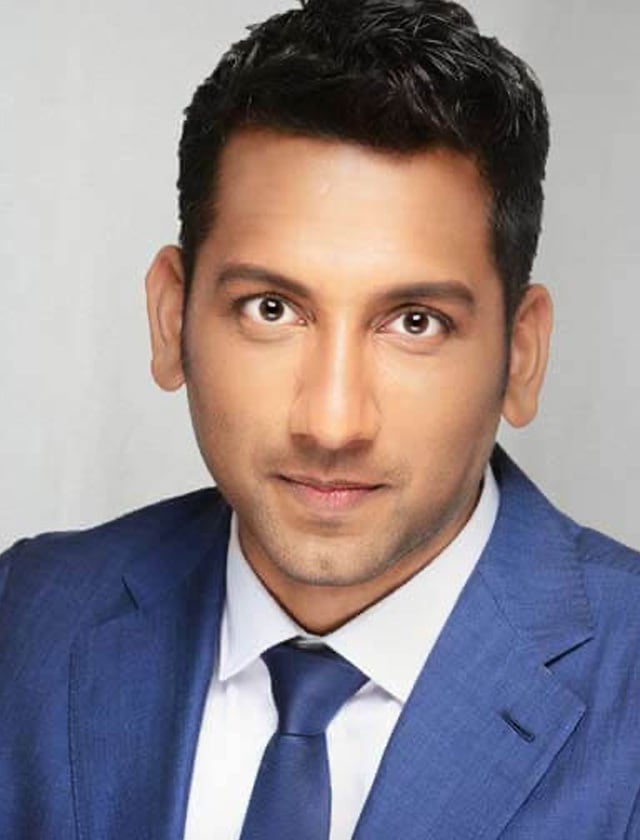
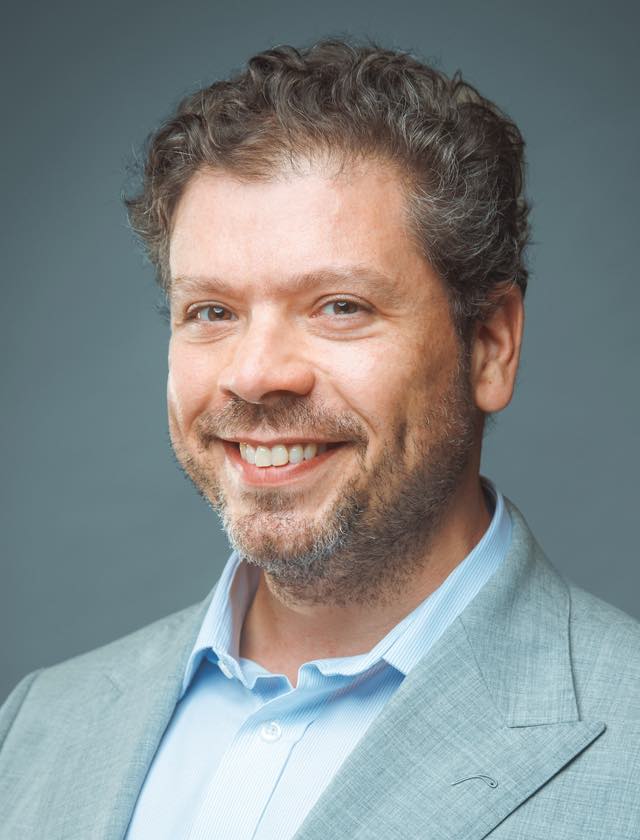
Meet Ohio’s Top Breast Reconstruction Experts

photo of Dr. Ajul Shah

Ajul Shah

MD, FACS
photo of Dr. Ergun Kocak

Ergun Kocak

MD
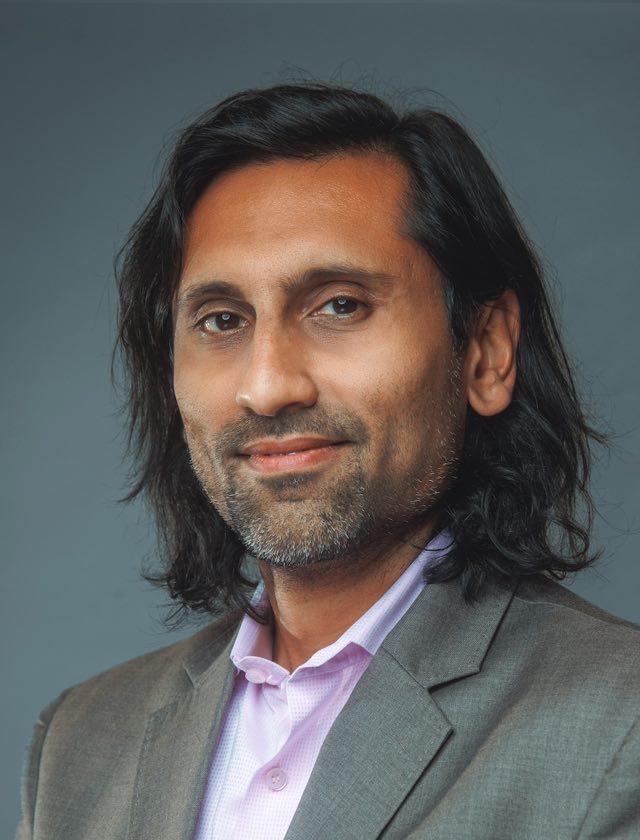
photo of Dr. Pankaj Tiwari

Pankaj Tiwari

MD
photo of Dr. Santosh Kale

Santosh Kale

MD, MBA
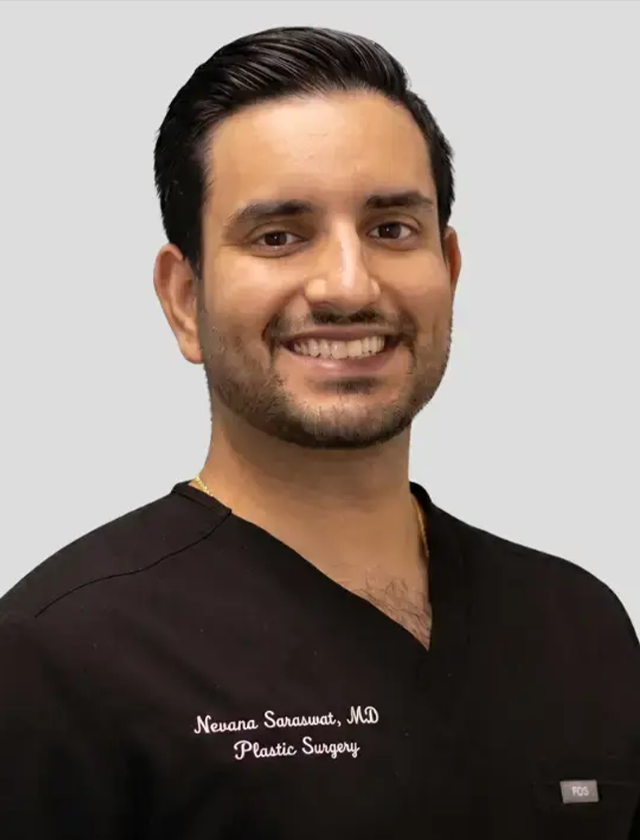
photo of Dr. Nirvana Saraswat

Nirvana Saraswat

MD

Take the Next Step Toward Feeling Like Yourself Again

Breast reconstruction is a deeply personal decision—and you don’t have to navigate it alone. 

Our team at the Institute of Ohio is here to listen, guide, and help you explore the options that feel right for you. Schedule your consultation today and take the first step forward with confidence.

Frequently Asked Questions

What are my options for breast reconstruction?
There are several approaches, including implant-based reconstruction and procedures using your own natural tissue. The right option depends on your body, goals, and medical history.
When is the best time to have reconstruction—immediately or later?

Reconstruction can be done at the same time as your mastectomy or at a later date. Your care team will help you decide what timing is best for you.

What is the difference between implant-based and natural tissue reconstruction?

Implants use medical devices to recreate breast shape, while natural tissue procedures use your own body tissue for a more natural look and feel.

Will my reconstructed breast look and feel natural?

Many patients achieve very natural-looking results, especially with advanced techniques. Your surgeon will discuss what you can realistically expect.

Can breast reconstruction restore sensation?

In some cases, advanced procedures can help restore sensation over time. This depends on the technique used and your individual situation.

How long is the recovery process?

Recovery varies by procedure, but most patients can expect several weeks of healing, with gradual return to normal activities.

Will I need more than one surgery?
Some patients require multiple stages to achieve the best outcome, including revisions or symmetry procedures.
What kind of scarring should I expect?
Scarring is a natural part of surgery, but your surgeon will place incisions as carefully as possible and guide you on how to support healing.
Is breast reconstruction covered by insurance?
In many cases, breast reconstruction is covered by insurance, including procedures to improve symmetry. Your team can help you understand your coverage.
Am I a candidate for advanced procedures like DIEP flap surgery?
Candidacy depends on factors like your health, anatomy, and treatment history. A consultation is the best way to determine your options.
How do I choose the right surgeon for my reconstruction?
Look for a surgeon with specialized training and experience in breast reconstruction, especially advanced techniques.
What can I expect during my consultation?
Your consultation is a conversation focused on your goals, medical history, and options—so you can make an informed, confident decision.