Surgical Treatment for Brachial Plexus Injuries in Ohio: Restoring Movement, Strength, and Independence
What Causes Brachial Plexus Injuries?
The brachial plexus is a complex network of nerves that controls movement and sensation in the shoulder, arm, and hand. Injury occurs when these nerves are stretched, compressed, or torn, often due to sudden trauma.
Common causes include traumatic accidents, high-impact injuries, and surgical or tumor-related nerve damage. Because these nerves play a critical role in upper extremity function, damage can lead to profound weakness, loss of sensation, or paralysis if not addressed promptly.
Check Your Symptoms: Are You Experiencing Any of the Following?
- Arm or hand paralysis
- Burning or electric shock–like pain
- Inability to lift the shoulder or bend the elbow
- Loss of sensation in the arm or hand
- Muscle weakness or visible muscle wasting
If you said yes to any of the above, you may be a candidate for advanced nerve reconstruction surgery.
Surgical Treatment Options for Brachial Plexus Injury
Nerve repair surgery is typically recommended when the damaged nerve ends can be directly reconnected or bridged, often in cases where the injury is identified early, and the nerve structure remains viable. During the procedure, surgeons carefully remove damaged nerve tissue and reconnect the healthy ends using microsutures or nerve grafts to guide regeneration. Over time, the repaired nerve slowly regrows, allowing signals from the brain to reach the affected muscles and restore movement and sensation.
Nerve transfer surgery is chosen when the original nerve has been severely damaged, stretched, or avulsed from the spinal cord and is unlikely to recover on its own. In this procedure, a healthy donor nerve that controls a less critical function is redirected to reinnervate a more important paralyzed muscle. This approach allows patients to regain intentional movement by “rewiring” nerve signals, often producing faster and more reliable functional improvement than waiting for spontaneous recovery.
Tendon transfer surgery is typically considered when nerve recovery is no longer possible or when muscle paralysis has become permanent. Rather than relying on nerve regeneration, this procedure mechanically restores movement by repositioning tendons from functioning muscles to take over the role of paralyzed ones. Patients often experience immediate improvement in movement after healing, making tendon transfers an effective option for restoring function even years after injury.
Benefits of Advanced Brachial Plexus Surgery
Am I a Candidate for Surgery?
You may be a candidate for brachial plexus surgery if you:
- Have persistent weakness or paralysis
- Experienced traumatic nerve injury
- Have not regained function with time or therapy
- Were diagnosed with nerve rupture or avulsion
- Are seeking advanced surgical solutions
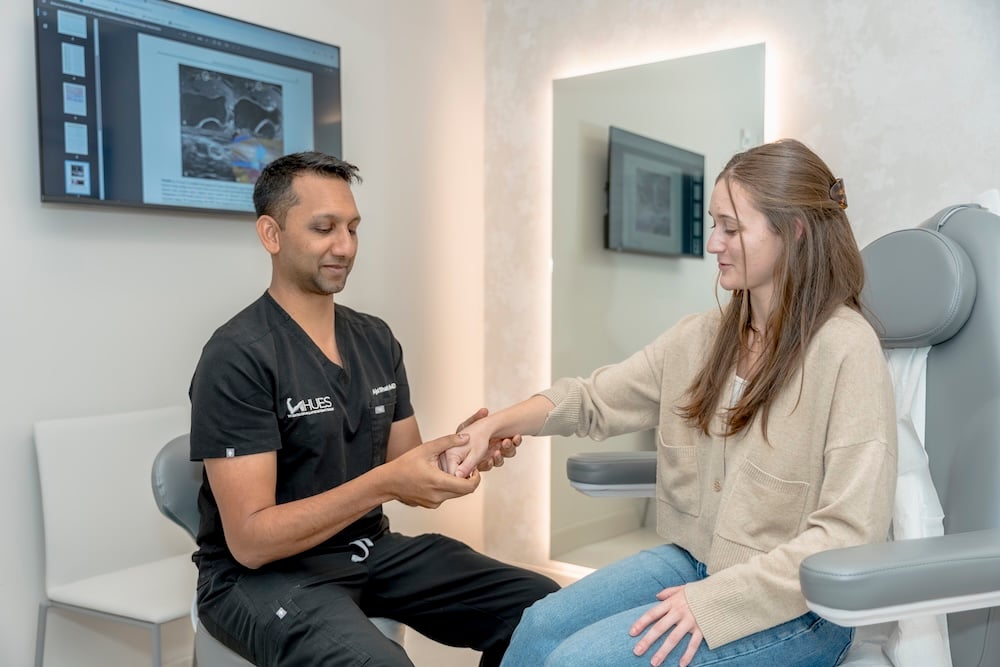
A comprehensive evaluation, including imaging, nerve studies, and expert examination, helps determine the best path forward for individuals with brachial plexus injuries.
When to Seek Medical Attention
Early evaluation is critical. If weakness, numbness, or paralysis persists beyond several weeks or worsens over time, specialized nerve assessment is essential. Delaying care may reduce surgical options and recovery potential.

What to Expect
Before the Procedure
Before surgery, you’ll undergo a comprehensive diagnostic evaluation that may include advanced imaging, nerve conduction studies, and a detailed physical exam. Your surgeon will review the extent of nerve damage, explain which surgical approach is most appropriate, and discuss realistic recovery goals. This visit is also an opportunity to align expectations and ensure you feel informed and confident moving forward.During Surgery
Surgery is performed using highly specialized microsurgical techniques that allow surgeons to work precisely on delicate nerves and surrounding structures. Depending on your injury, the procedure may involve nerve repair, nerve transfer, tendon transfer, or a combination of approaches.Recovery
Recovery is a gradual process and includes close follow-up with your surgical team and a structured rehabilitation plan. While nerve regeneration takes time, many patients begin to notice incremental improvements in strength, movement, or sensation over the months following surgery. Ongoing therapy and monitoring are essential to maximizing long-term outcomes and functional recovery.Why Trust The Institute of Ohio?
Access to Board-Certified Peripheral Nerve Surgeons
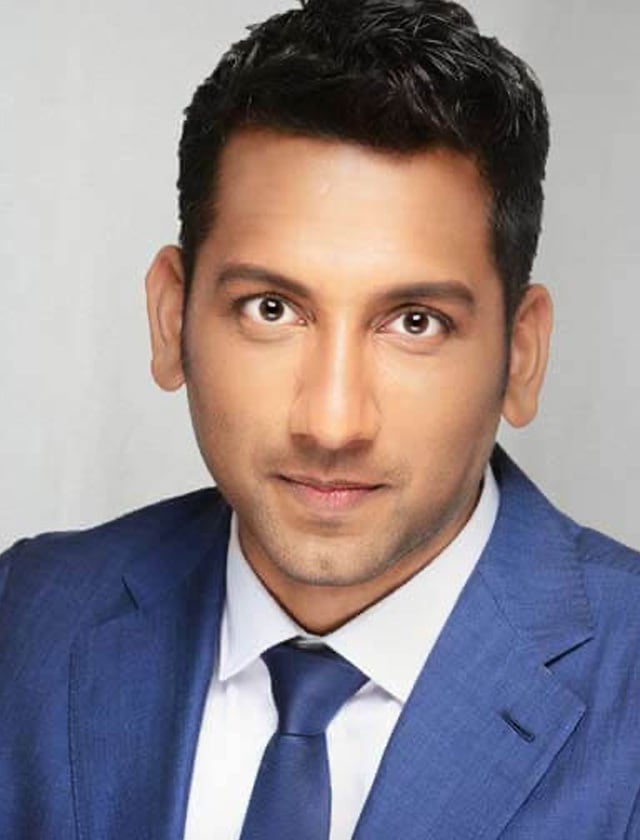
Care is led by Dr. Ajul Shah, who is double board-certified in plastic surgery and surgery of the hand. Dr. Shah is nationally recognized for his expertise in complex nerve injuries, combining meticulous microsurgical technique with individualized treatment planning to restore meaningful function. His focused experience allows for precise diagnosis and advanced nerve reconstruction that may not be available through general orthopedic or neurosurgical teams.
Nationally Recognized Expertise in Nerve Reconstruction
The Institute is part of a nationally recognized program known for treating some of the most complex brachial plexus injuries. Patients from across the region and beyond seek care here for advanced surgical solutions when standard treatment options are limited.
Multidisciplinary, Team-Based Surgical Planning
Every case is reviewed through a collaborative approach that brings together nerve surgeons, reconstructive specialists, therapists, and imaging experts. This team-based planning ensures that each surgical strategy is tailored to maximize functional recovery and long-term outcomes.
Advanced Microsurgical Techniques
Procedures are performed using state-of-the-art microsurgical technology, allowing surgeons to work on nerves just millimeters in size. This level of precision is critical for improving nerve regeneration, preserving healthy tissue, and optimizing surgical success.
Commitment to Patient-Centered Outcomes
Treatment planning focuses not just on surgical success, but on what matters most to each patient: regaining independence, reducing pain, and improving quality of life. From the first consultation through recovery, care is designed around individual goals and functional priorities.
Take the Next Step Toward Recovery
If you’re living with the effects of a brachial plexus injury, expert surgical care may help restore movement, comfort, and confidence.
FAQs
Not all injuries require surgery, but severe or persistent deficits often benefit from surgical intervention.
Without treatment, nerve damage can be permanent, leading to lifelong disability, pain, and loss of function. Secondary injuries to the joints, muscles, or bones in the arm and hand can also develop over time without nerve signals and movement.
Your physician will examine the type of nerve damage through electrical tests and imaging. If complete nerve tears or irrecoverable injuries are found, surgery is usually the best option for recovery. Our specialists can guide you on necessary procedures.
Outcomes vary, but many patients experience meaningful improvements in strength, movement, and daily function.
Most medically necessary procedures are covered; our team assists with verification and authorization.